
Stay Tuned for Stars Soccer Review FIFA World Cup projection
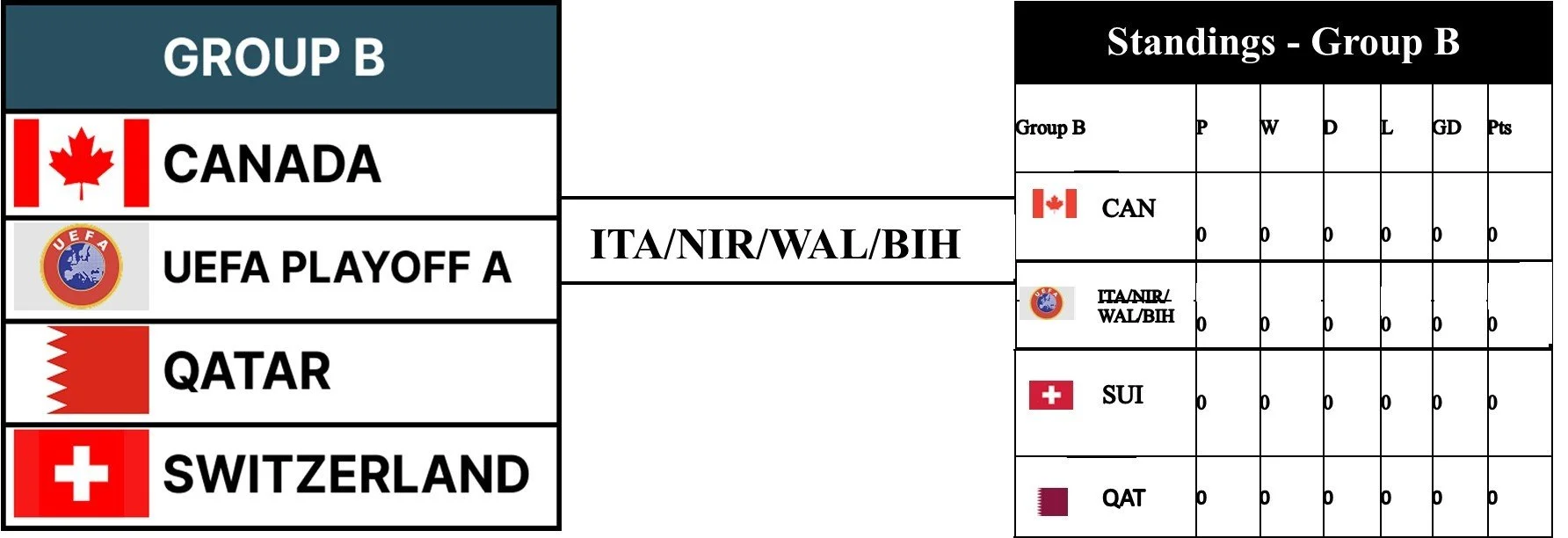
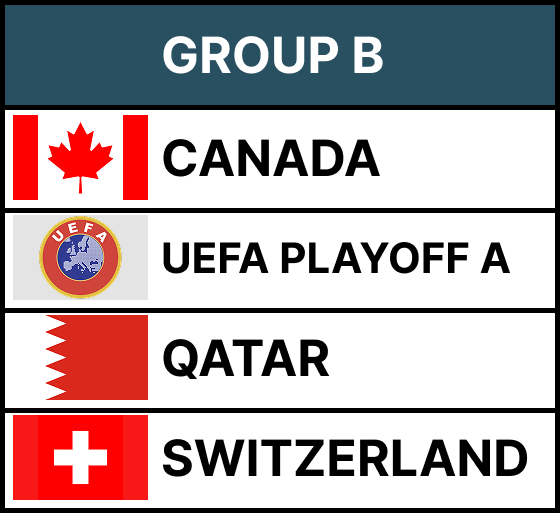
Canada awaits the winner of the UEFA Group A Playoffs to determine which country they will face in the FIFA World Cup opener at BMO Field on June 12, 2026. The two games of the first leg of the Group A playoffs feature Italy against Northern Ireland and Wales against Bosnia-Herzegovina. The winners face off in the grand final and qualify for the FIFA World Cup 2026 against Canada at BMO Field.
While many in Toronto are hoping it is not Italy because of the fear of a massive Italian turnout, we at Stars Soccer Review are confident that it doesn't matter which team advances. We say bring it on!
Last chance for the FIFA World Cup 2026
The time is drawing near for the countries hoping to qualify for the FIFA World Cup 2026 via the playoff route. They are under tremendous pressure from what could have been and should have been from their previous futile attempt at qualifying.
The advantage in the upcoming World Cup '26 playoffs goes to the home team, whose fans will come to grips with the last chance for their country to qualify for the biggest World Cup. However, it is the coaches and their players who have to flip the script more mentally than physically in order to make amends for not getting the job done the first time.
It is definitely too late to dwell on the past misgivings when the future will be in their hands and legs. Stay tuned for Stars Soccer Review’s assessment of the FIFA World Cup '26 playoff matchups and who is most likely to qualify.
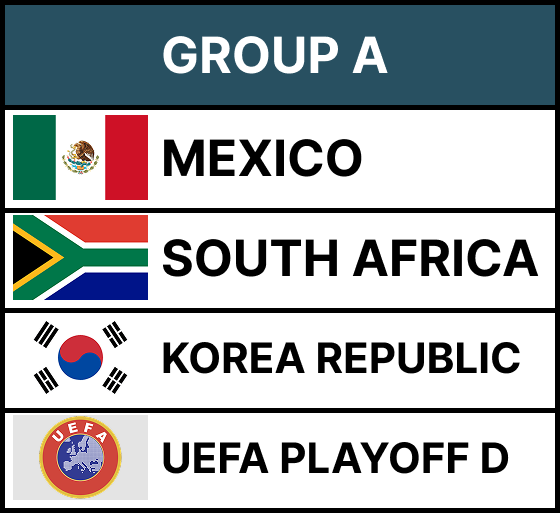
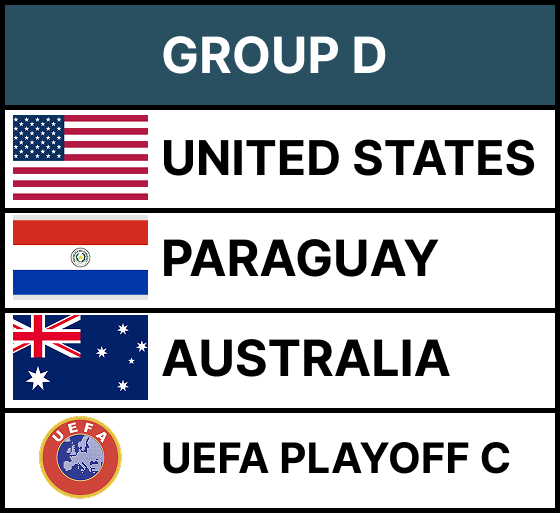
The 2026 FIFA World Cup will be hosted in Canada, the USA, and Mexico.
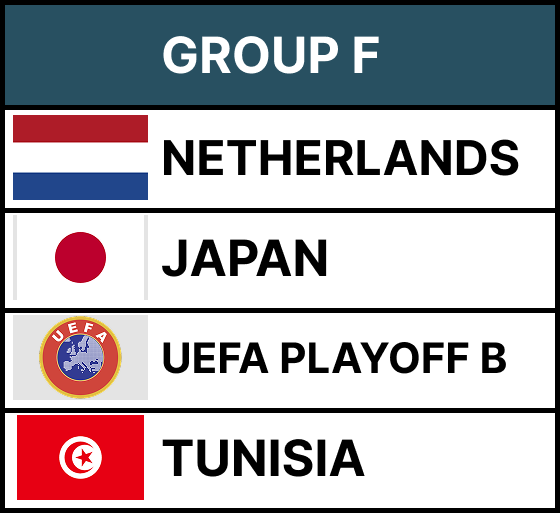
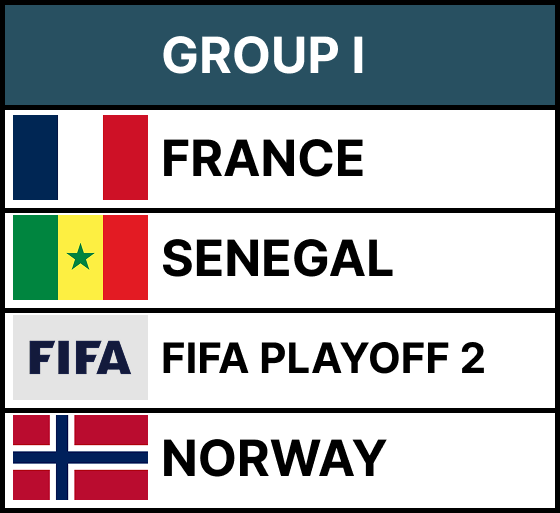
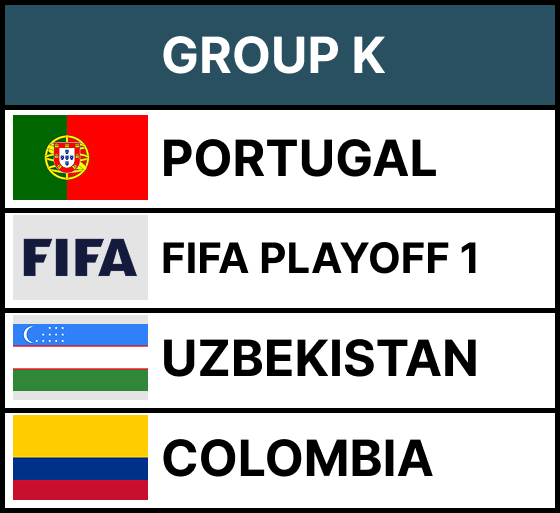
Caribbean Stars Sports & Family Day
Caribbean Stars launched its Sports and Family Day as a non-amateur soccer organization in the Canadian International Soccer League, better known as the Puma League, in the 1996 season at Birchmount Stadium. Stay Tuned!
For Canada, hosting the FIFA World Cup 2026™ represents a transformative "once-in-a-generation" opportunity to elevate the country’s global standing, catalyze its fastest-growing sport, and generate billions in economic activity. As a co-host with Mexico and the United States, Canada will stage 13 matches across two host cities: Toronto and Vancouver.
Economic Growth and Tourism
The tournament is projected to be a major "growth engine" for the Canadian economy, with an estimated total economic output of up to $3.8 billion.
Job Creation: The event is expected to create or sustain approximately 24,100 jobs nationwide.
Tourism Surge: Vancouver alone anticipates over 1 million out-of-province visitors between 2026 and 2031, potentially raising tourism spending by more than $1 billion.
Tax Revenue: Host cities and provinces expect a significant windfall, with the B.C. government projecting roughly $448 million to $478 million in revenue from taxes and fees.
Sporting and Cultural Legacy
Soccer is already the largest participatory sport in Canada, and hosting the world's biggest tournament is expected to solidify its place in the national identity.
Grassroots Inspiration: Seeing global stars on home soil is intended to inspire a new generation of players and strengthen youth development pathways.
Professional Growth: The spotlight is expected to accelerate the growth of domestic leagues like the Canadian Premier League (CPL) and the new Canadian women's professional league launching in 2025.
Reconciliation: Host cities are collaborating with First Nations—including the Musqueam, Squamish, and Tsleil-Waututh in Vancouver—to weave Indigenous culture into the games and ensure shared economic benefits.
Infrastructure and Urban Impact
While no major "mega-projects" like an Olympic Village are planned, the World Cup is forcing essential "refreshes" of existing infrastructure.
Stadium Upgrades: Toronto’s BMO Field is expanding its capacity to 45,000 with 17,000 temporary seats. Vancouver’s BC Place is receiving upgrades to its lighting, audio, and hospitality areas.
Transit and Public Space: The tournament is putting pressure on governments to improve logistics, transit, and "FIFA Fan Festival" sites, which will serve as community legacies after the final whistle.
Challenges and Public Sentiment
The scale of the event brings significant hurdles, particularly regarding rising costs and logistical strain.
Soaring Costs: Estimated hosting costs have risen significantly; Toronto’s budget is now approximately $380 million, while Vancouver’s gross costs are estimated between $532 million and $624 million.
Accommodation Pressure: Experts warn of a "local squeeze" on hotels and short-term rentals, particularly in Vancouver’s already underserved market.
Public Debate: Recent polling shows Canadians are split; while many see it as a "worthwhile investment," 71% believe ticket prices are too expensive, and others worry about the long-term debt typical of mega-events.
Placeholder
